Iman’s Kurdish Niskene
Recipe from Iman. Written by Momo.
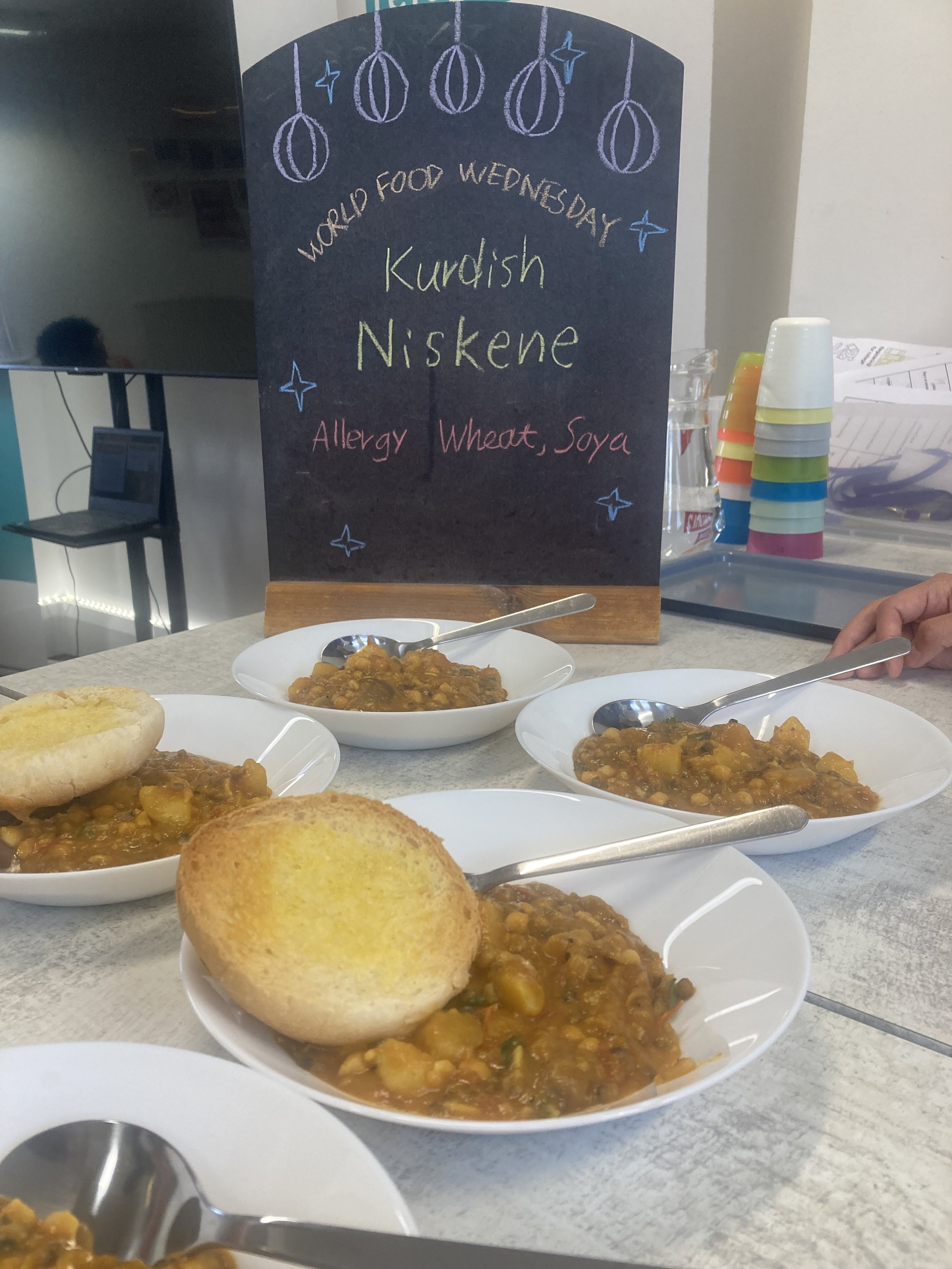
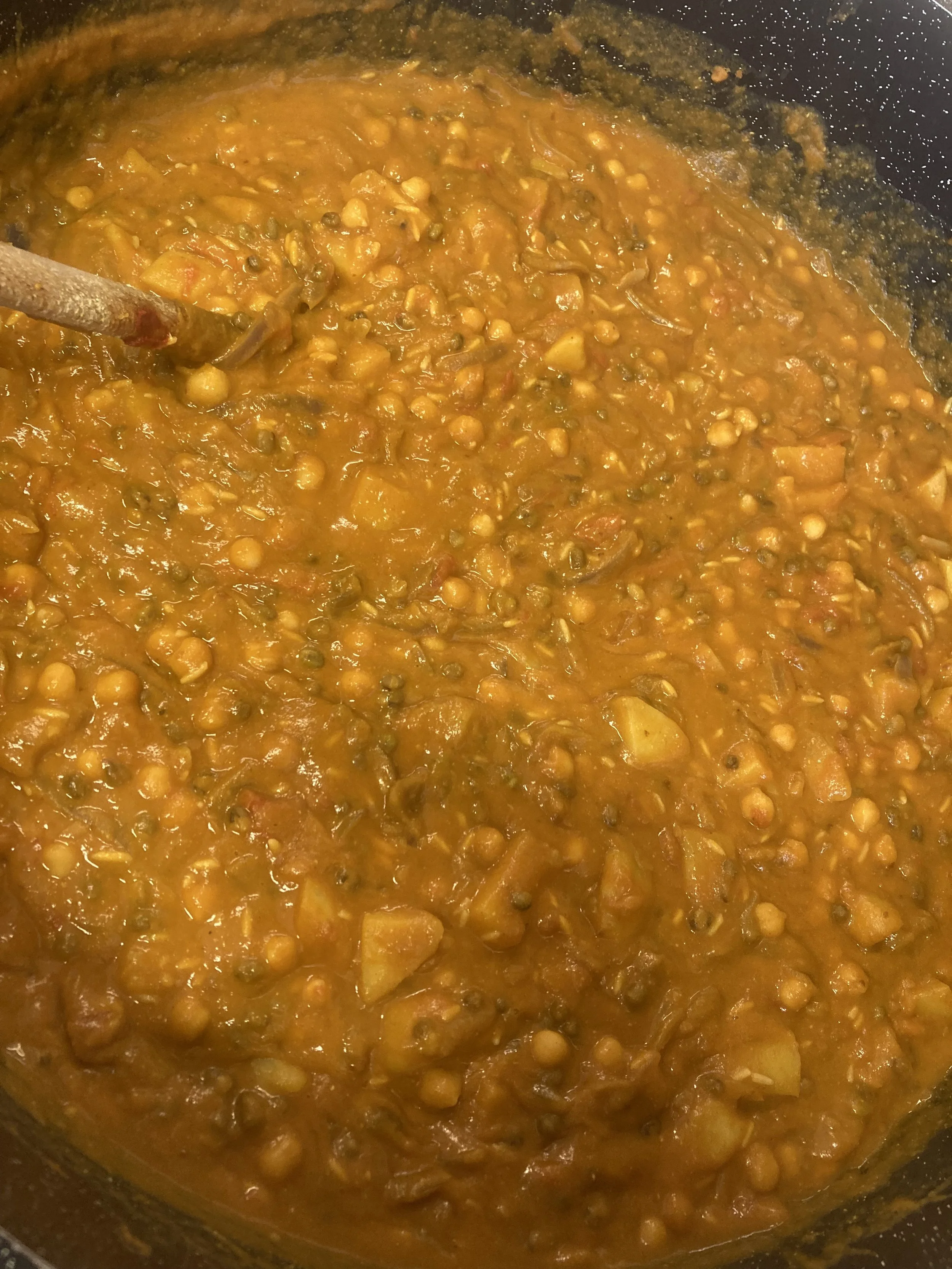
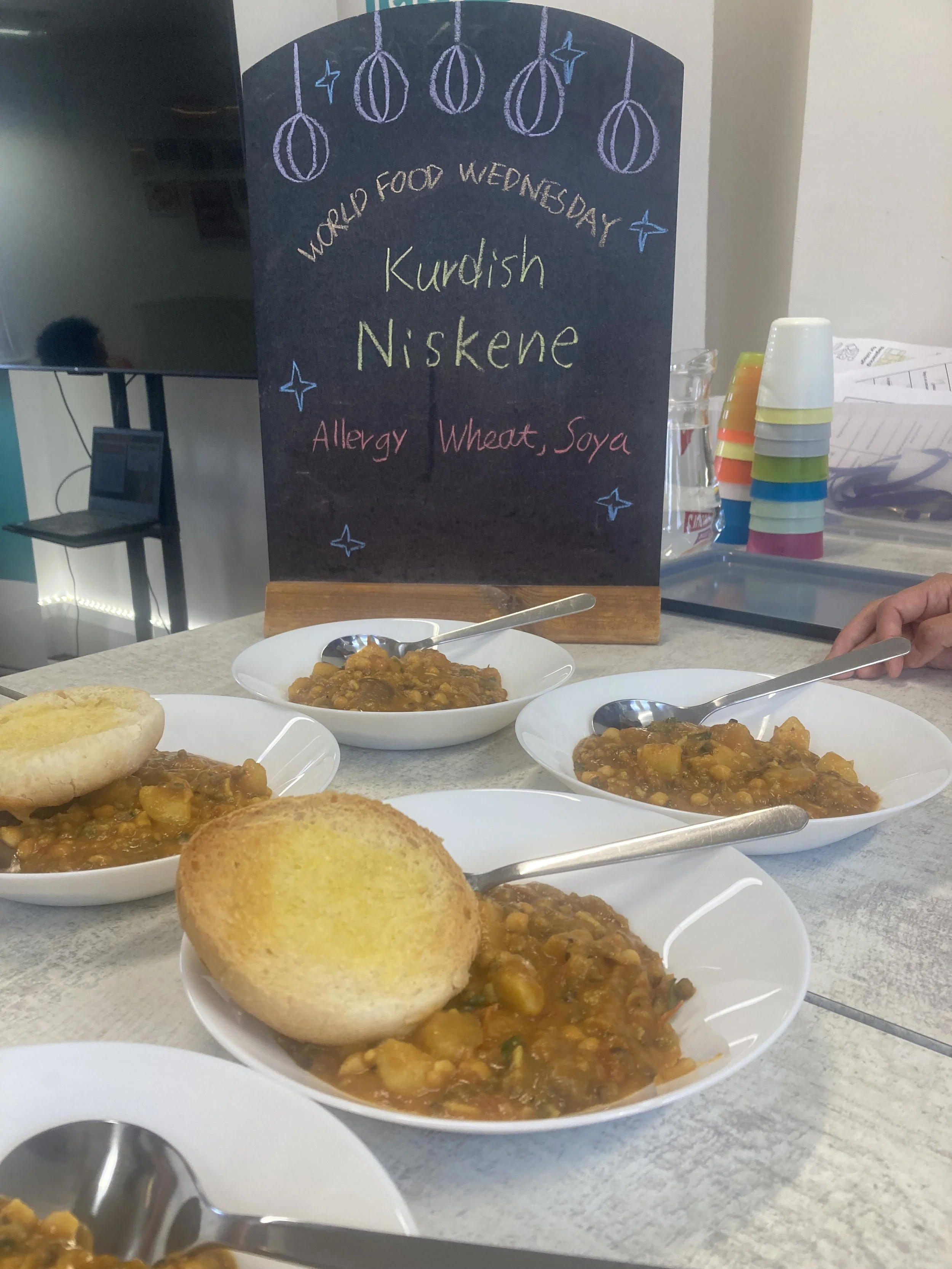
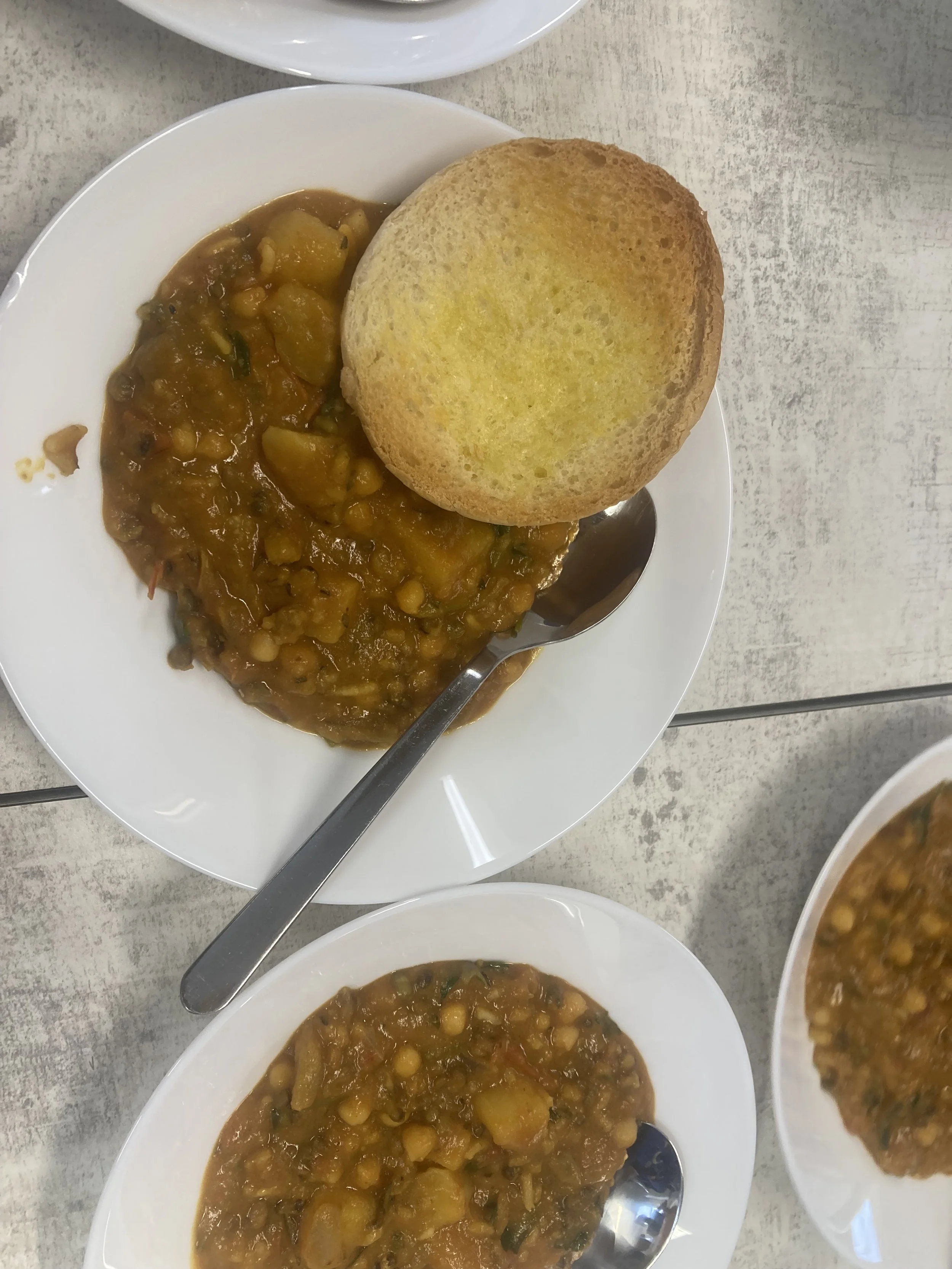
Niskene means “Lentil Soup” in Kurdish. The recipe was shared by Iman (name changed), one of our participants, who learned it from his mother. Made with beans, potatoes and rice, it is filling, nourishing everyday dish that Iman explained is rich in protein and gives people energy.
While every family has their own version of this home-cooked dish, it reminded me that the recipe belongs to the families, not to the countries. This time, we had another beautiful story to add to it.
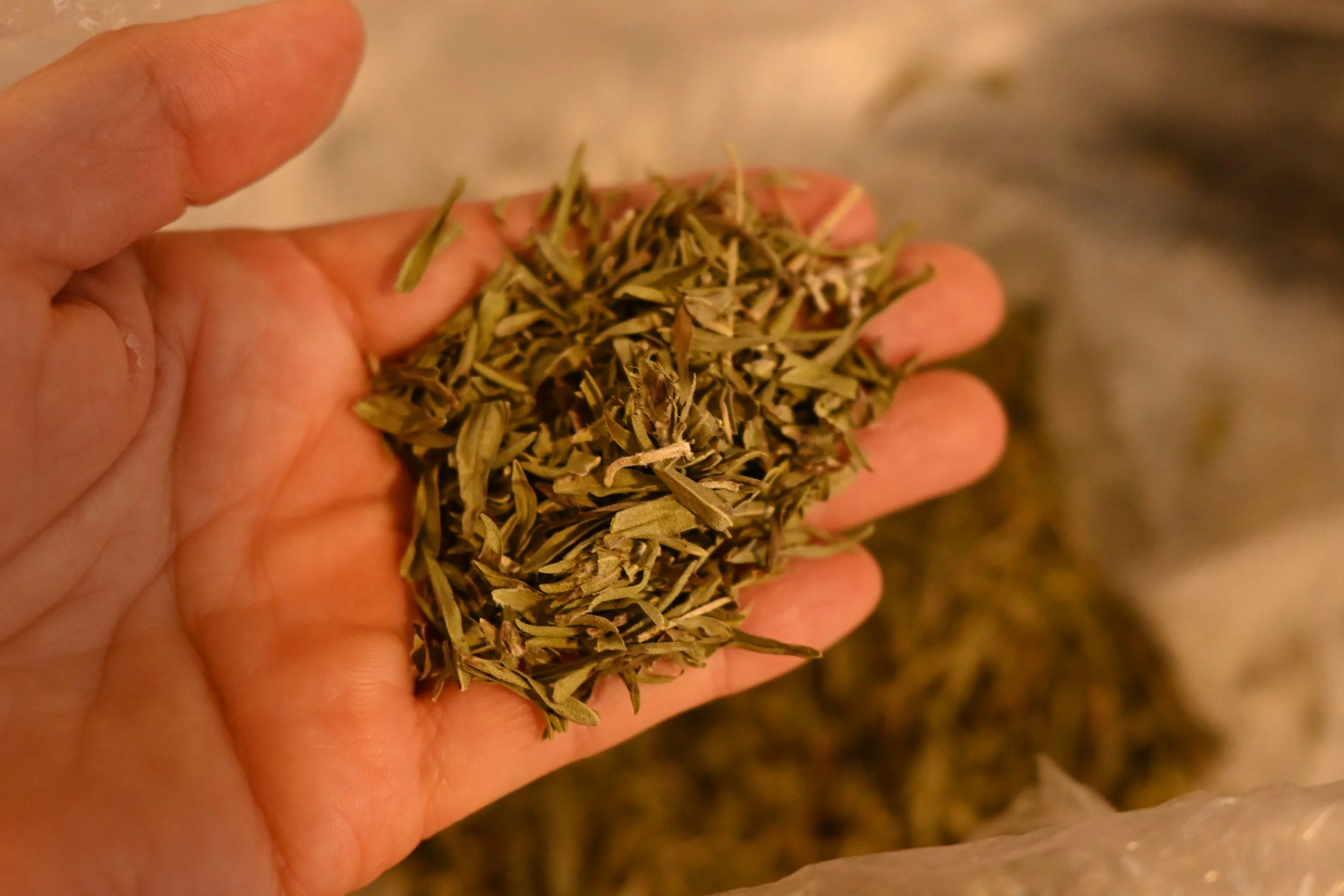
About a year ago, a friend who used to volunteer with us brought back dried herb as a souvenir from Kurdistan, saying “Kurdish people use this almost every day in their soups and meat dishes.” After sitting in my cupboard for a while, I finally brought it to Upbeat to ask our Kurdish volunteers and participants about it. They instantly recognised it as “Zatur”, a type of thyme. Unlike the dried thyme we buy at the supermarket here, it came with the stems attached, and the tradition is to carefully strip the leaves from the stem and crush them by hand. The moment they caught its powerful aroma, a nostalgic, blissful expression came over everyone’s faces.
In the past, we might have simply listed a dish like this as “lentil soup” on the Upbeat Kitchen menu. But this time, we called it Niskene and enhanced it with this very special herb.
At first, it might seem like a small difference. However, using the original name of the dish and valuing their traditional herbs meant showing respect. It is our way of saying: “Your culture matters, and your stories are worth sharing.” Niskene did more than just fill people’s stomach. The difference between “lentil soup” and “Niskene” is much bigger than it first appeared.
Iman’s Recipe:
Ingredients (serves 4):
Mung Beans - 70g
Red lentils - 270g
1 Onion, chopped finely
1 tin of chopped tomatoes
1 ½ tbsp of tomato paste
1-2 medium sized potatoes, chopped
1 tin of chickpeas
Rice - 30g
Pasta - 30g
3 tbsp of oil
1 tbsp of paprika
1 tsp of turmeric powder
Small handful of parsley.
Method:
Prep and Cook the Mung Beans Rinse the mung beans thoroughly under cold water. Place them in a large bowl, cover with plenty of water, and leave to soak for 4 hours. Once soaked, drain the water, transfer the beans to a pot of fresh water, and bring to a boil. Cook for about 20–25 minutes until soft but not bursting. Drain well and set aside.
Cook and Blend the Red Lentils Rinse the red lentils under cold water until the water runs clear. Place them in a pot with water and bring to a boil. Reduce the heat and simmer for 15–20 minutes until they completely break down and become mushy. Let them cool slightly, then transfer to a blender or use a hand blender to process them into a completely smooth, thick paste.
Roast the Potatoes Preheat your oven to 200°C (400°F). Toss the chopped potato cubes in a bowl with a tablespoon of oil and a generous pinch of salt until evenly coated. Spread them out in a single layer on a baking tray and roast for 20–25 minutes, flipping halfway through, until they are crispy on the outside and fork-tender on the inside.
Sauté the Onions Heat a splash of oil in a large, deep pan or pot over medium heat. Add the finely chopped onions and cook for 8–10 minutes, stirring occasionally, until they turn a rich, golden brown colour.
Build the Tomato Sauce Base Stir your spices (turmeric and paprika), salt, and the tomato paste into the onions, letting them toast for about 1 minute to release their aromatics. Pour in the tins of tomatoes. Simmer over medium heat for about 5–7 minutes, using a wooden spoon to mash the tomatoes down as they cook until they form a thick, uniform sauce.
Incorporate the Lentil Paste Pour the blended red lentil paste directly into the tomato sauce. Stir thoroughly to combine the two bases into a smooth, thick curry sauce. Let it simmer together on low heat for 3–5 minutes so the flavours merge.
Add the Veggies and Beans Gently stir in the roasted potatoes, the cooked mung beans, and the drained tins of chickpeas. Mix well until everything is evenly coated in the sauce.
Cook the Rice and Pasta Add your rice and pasta directly into the pot, along with a splash of hot water if the sauce has become too thick. Stir well, cover the pan with a lid, and let it simmer gently on low heat for about 10–12 minutes, stirring occasionally to prevent sticking, until both the rice and pasta are perfectly soft.
Garnish Turn off the heat and stir in the finely chopped parsley.
Serve Ladle the hearty stew into bowls and serve hot alongside your favourite crusty bread or warm flatbread.