Behind the Hotel Doors: New Arrivals Desperate to Contribute to Life in the UK
“I’d rather learn English than have new clothes”
This is what a man newly arrived in Derby told me when I met him. He had no clothes other than the ones on his back and the grey tracksuit with plimsoles provided by the Home Office. For many of the people that I meet as new arrivals, they don’t just want to survive, but to belong and contribute.
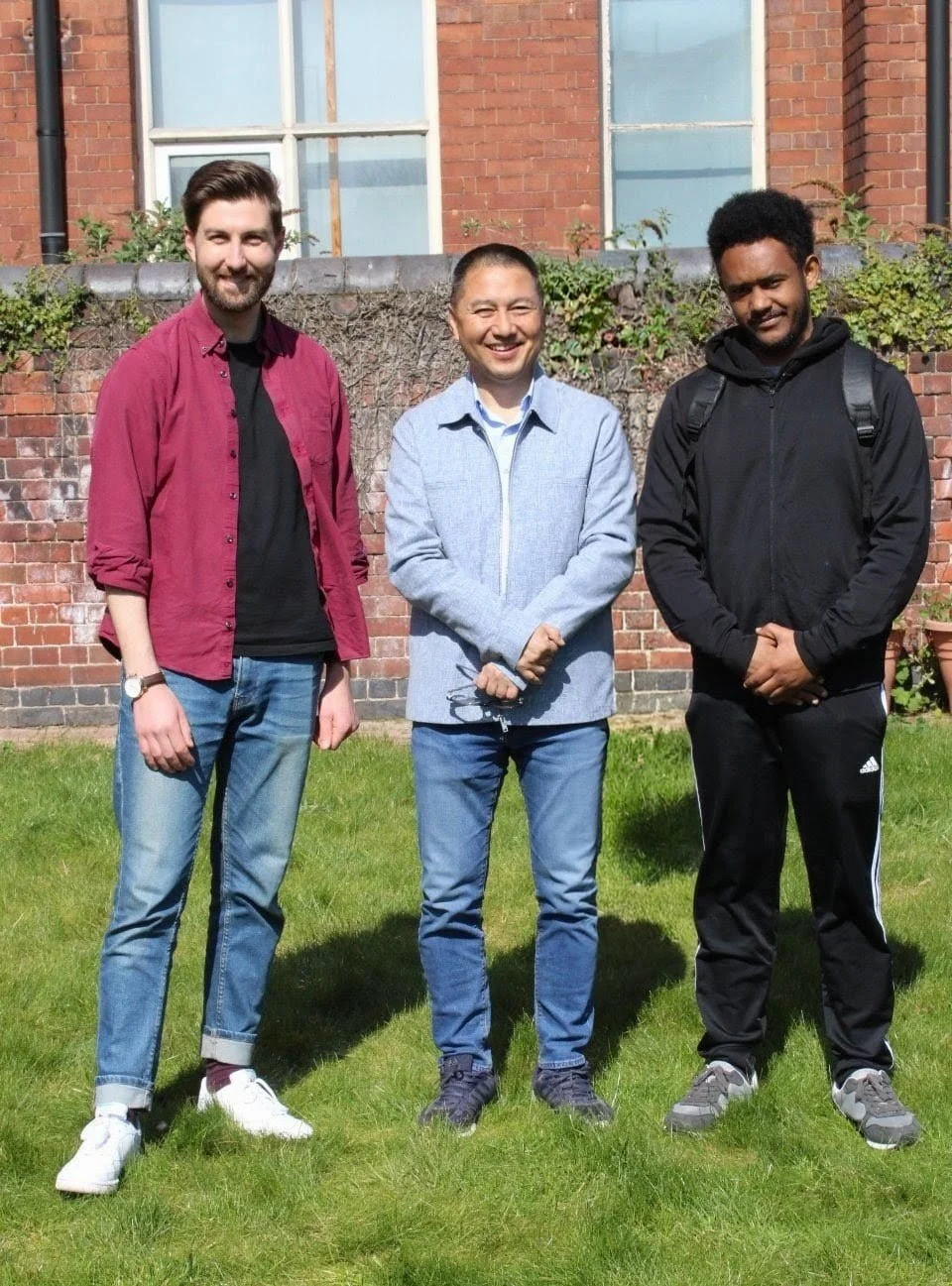
My name is Ben and for the past year, I’ve been leading a pilot project at Upbeat to welcome new arrivals to our city. Upbeat has been one of many organisations supporting and empowering new arrivals, but a lack of coordination was becoming a barrier to our collective impact.
Our mission was to explore if a coordinated approach between other charities and organisations across Derby was viable, and what a ‘welcome journey’ might look like.
It's a privilege to partner with amazing organisations to welcome new arrivals in Derby: British Red Cross, Derbyshire Refugee Solidarity, SERCO, Derby Refugee Forum, Derby Food 4 Thought Alliance, Community Action Derby, and others.
I spend a lot of time in the two local hotels used for asylum seekers and living in these is not how it is perceived by the public. Although the staff work hard, they are limited in personnel, budget and remit.
At least they can go home after their shift; for the residents it’s a demoralising existence.
We found that as time went on, the hotel residents became just as lonely as those who live in dispersal houses. Living in close proximity does not necessarily lead to meaningful connection.
For those in houses, the advantage of greater independence comes at a cost. Only the Home Office know where they live, so the chances of them connecting with local services is worryingly small. The people we know struggle with deep sadness and lack of access to support, so what about the people we don’t know about?

I have the privilege of meeting people from all over the world: the sub-continent, the Middle East, across the northern half of Africa, to South America. All of them having taken long, arduous and dangerous journeys to seek sanctuary in the UK.
When chatting to them about Derby, I often hear comments like “I really like Derby”, and “it is safe and clean here, the people are nice”. Maybe we wouldn’t always express those two responses, but there’s a poignancy to them when uttered by a human who has fled for their life.
I haven’t met a new arrival who has not been polite and respectful, but having initially welcome and connected with them, the next comment is almost always:
“Yes, I need help”.
Meron (name changed) was new to Derby when I met him here at Upbeat, introduced to us by his roommate. He had fled the horrendous violence in his home country, Ethiopia.
Something I remember is that he was very excited to be part of our English classes, but we were also able to support him some clothes, toiletries for dignity in personal hygiene, and SIM card so he was able to contact his family back in Ethiopia. We’ll help him enrol for college when he’s able to as well.
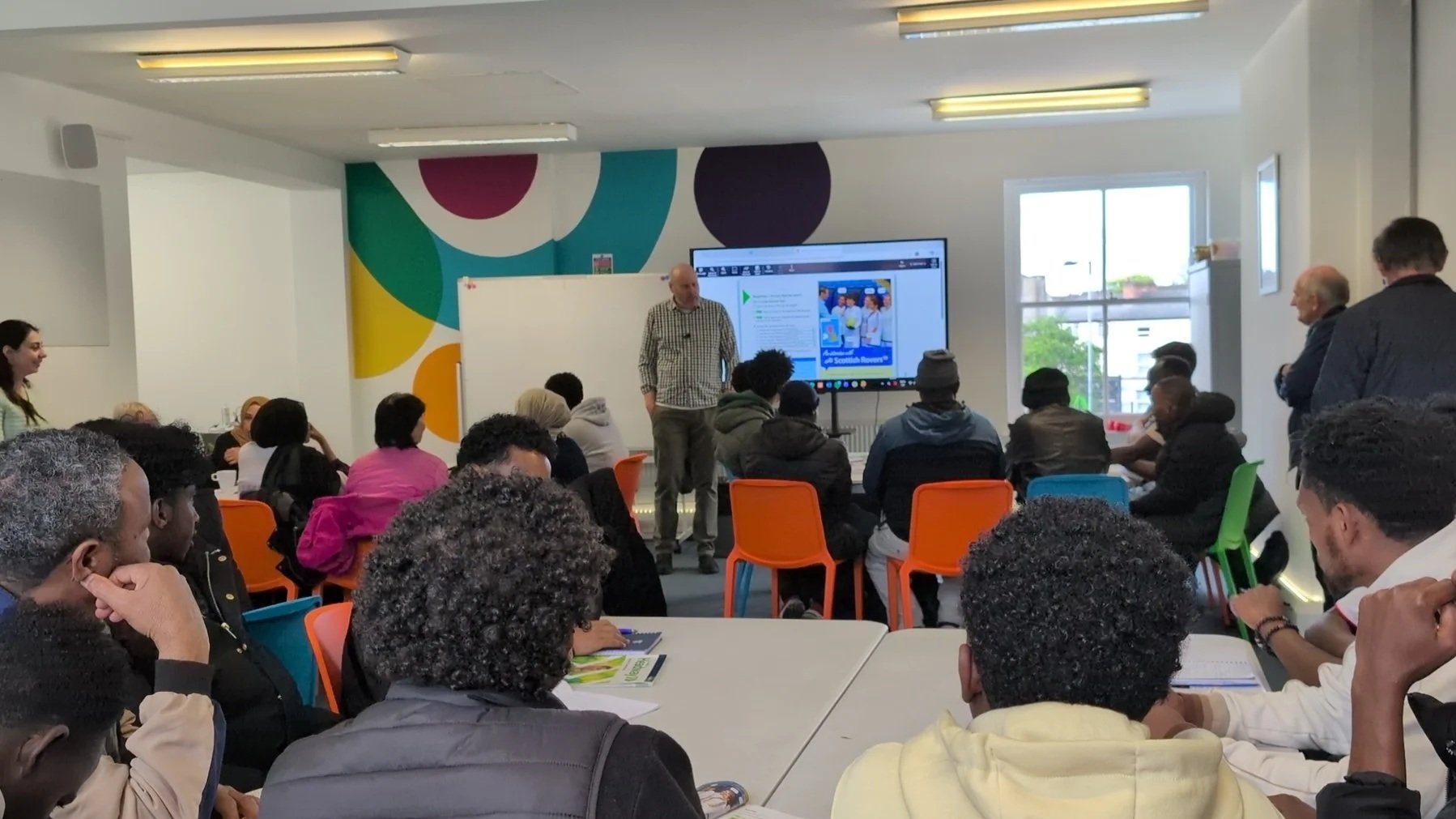
Much like his experience finding Upbeat, he came by the Upbeat offices to see me along with his two friends he wanted us to welcome too. He was so pleased to have been supported with the essentials, it means he can begin to contribute himself.
Being unsatisfied with simply receiving help, he’s applying to volunteer with us so that he can help others in a similar situation.
We’re looking forward to expanding the project in 2026 to support new arrivals and welcome them into meaningful community where true friendships can be formed. We most want to reach those who are isolated and vulnerable in houses who feel alone, so those currently unknown can become seen and known.
Written by Ben, Single Point of Contact Pilot Project Lead.
Interested to find out more about the asylum system that new arrivals have to navigate? Read our blog here!
Stay up to date with the impact of our work by following us on social media through the links above!