
We Must Not Forget About Sudan Part 1: Why Do People Flee?
Sudan has been facing one of the world’s worst humanitarian crises for over 3 years now. But most other countries have stopped noticing.
Upbeat has supported over 370 individuals from Sudan in the last 12 months. Sudan is now the most common country represented in our community.
We think it’s so important not to forget the harrowing circumstances these individuals have fled. That’s why we’re sharing the facts below.
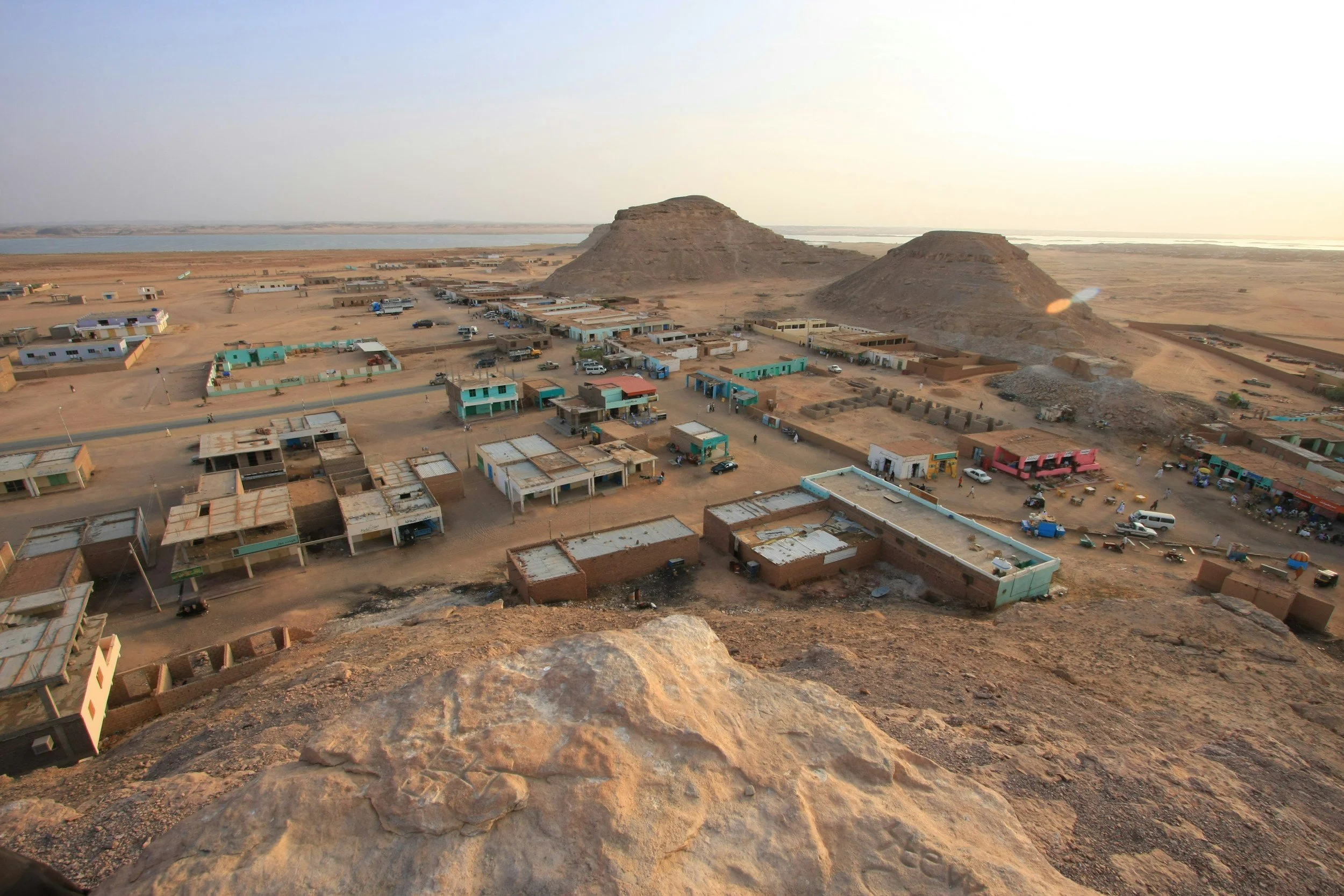
The Sudanese civil war has resulted in at least 150,000 deaths so far, making it the largest massacre of the 21st century. Escalating tensions between the Sudanese Armed Forces (SAF) and the Rapid Support Forces (RSF), following the ousting of former president Bashir, came to a head in April 2023.
Ever since then, around 14 million people have been forced to flee their homes, with 11.3 million people internally displaced, and 1.8 million seeking refuge in neighbouring countries, or countries further afield.
Over 18,000 Sudanese people have sought asylum in the UK since the war began. The vast majority of cases have been granted leave to remain (93% between April 2025-March 2026).
The situation in Sudan remains horrific and shocking. In addition to the vast loss of life and constant military violence, here are 3 of the main horrors people are currently facing:
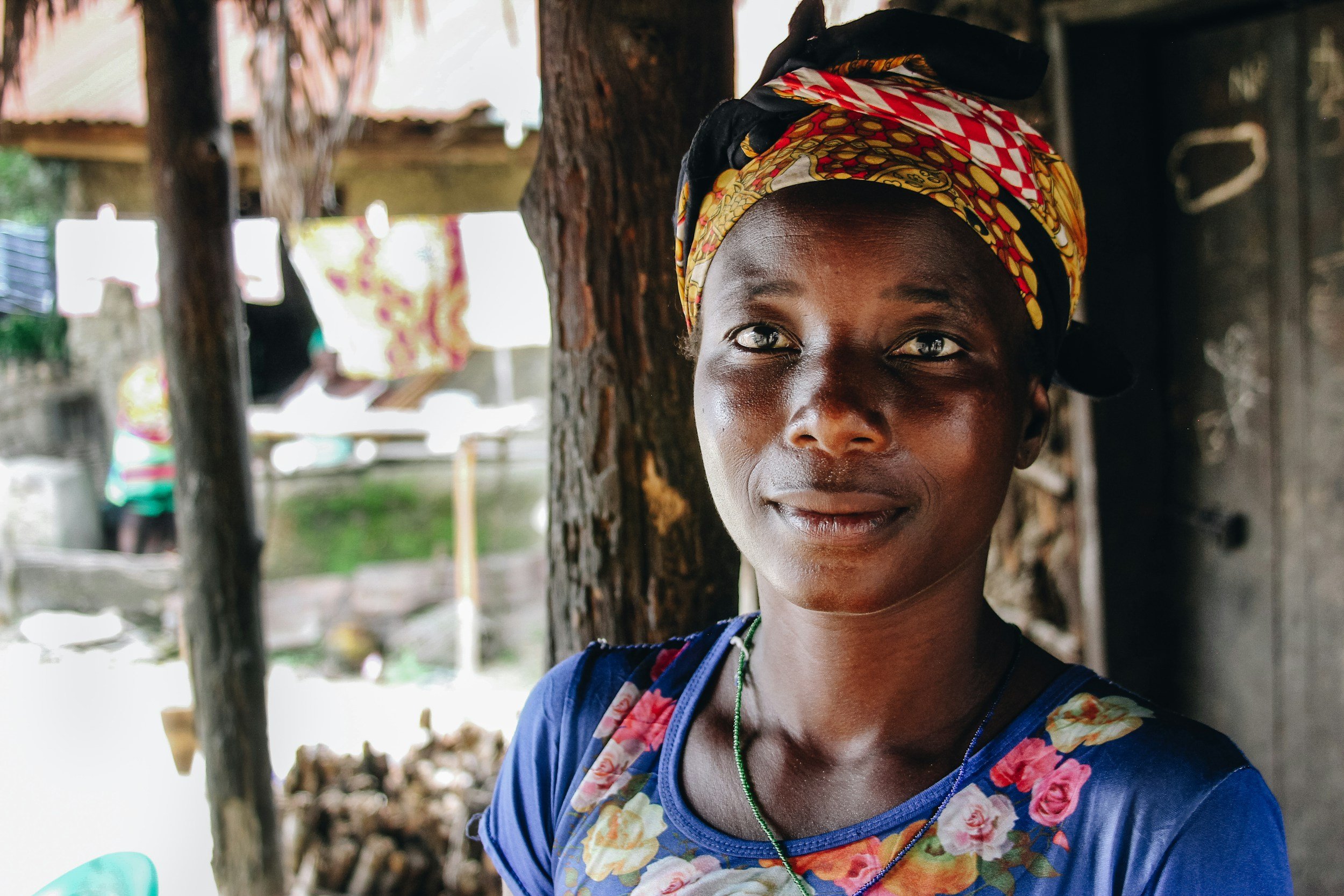
Sexual violence
Sudan’s civil war has seen atrocious human rights violations, including rape and sexual violence primarily targeted towards women and girls. Sexual violence has been used as a weapon throughout the war, with no help available to support women who have been abused.
“Women are not leading or participating in this war, but it is women who are suffering the most.” – an anonymous Sudanese woman, sharing with an Amnesty International Worker in a refugee camp in Darfur, Sudan.
Famine
The World Food Programme estimates that 19.5 million people are currently facing crisis levels of hunger across the country. Thousands of children under the age of 5 are suffering from ‘severe acute malnutrition’, a clinical term used to describe the state of starvation combined with other infections.
Aid Blockages
Both the SAF and RSF are actively restricting aid across Sudan, including food parcels, health care, and essential survival supplies.
For all these reasons and more, many Sudanese nationals have no choice but to flee their home country in search of somewhere safe for them and their children. Many must make dangerous journeys across Africa, the Middle East, and Europe in order to find safety.
Upbeat welcomes new arrivals from Sudan almost every week, supporting them to rebuild their lives in the UK by teaching English classes, registering individuals for essential services, and offering a vital point of connection and friendship.
Look out for Part 2 of this blog, where we’ll share the story of Ibrahim, who bravely shared what he misses about Sudanese culture, as well as how Upbeat helped him to rebuild his life in the UK.
How can we respond to such a seemingly hopeless situation?
Here are 3 ways we’d encourage you to help:
Don’t forget about Sudan. Continue to read up on the situation so that you can best understand the realities that our friends seeking sanctuary have fled from. Below are the sources used to inform this article, many of them world crises charities who are working on the ground in Sudan. They provide lots of helpful, up-to-date information, where UK news platforms may not.
Give to support the initiatives working to assist survivors of the Sudanese war, both on the ground in Sudan (again, see the organisations below doing incredible work), and when people arrive in the UK. To support the work of Upbeat as we empower Sudanese refugees to rebuild their lives, go to upbeatcommunities.org/donate
Pray. If you pray, and/or are part of a local church, please remember to pray for peace in Sudan and for the millions of individuals who are continuing to suffer.
Sources:
BBC News, A simple guide to what is happening in Sudan
World Food Programme, https://www.wfp.org/emergencies/sudan
United Nations, https://africarenewal.un.org/en/magazine/three-years-war-sudan-crisis-world-cant-ignore
Amnesty International, https://www.amnesty.org/en/projects/sudan-conflict/
Rescue.org, https://www.rescue.org/uk/article/crisis-sudan-what-happening-and-how-help