
What is happening in Afghanistan?
Global attention shifts quickly, but many communities continue to live with the impacts of conflicts and persecution long after the news reports have been written. We’re writing this series to give space to the people and places whose stories still deserve to be heard.
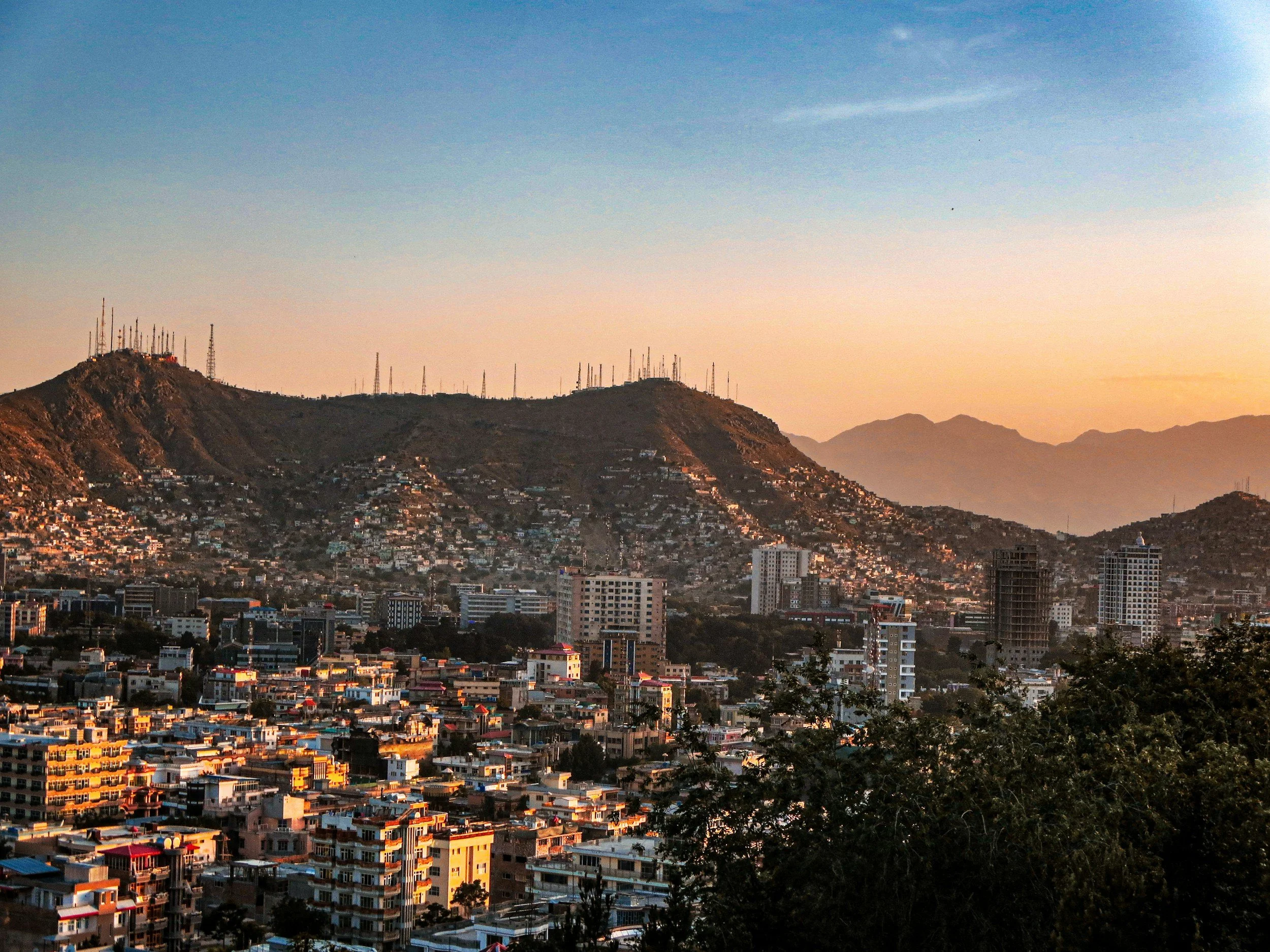
People don’t leave their homes, families, and communities lightly. When someone leaves Afghanistan, it’s usually because staying has become unsafe, impossible, or life-threatening.
At Upbeat, we support refugees and people seeking sanctuary from many countries, including Afghanistan. Understanding why people are forced to leave helps us build compassion — and challenge harmful myths.
Afghanistan has experienced decades of conflict. Many people have grown up knowing nothing but instability.
Even when fighting is not visible every day, fear is constant — checkpoints, armed groups, sudden changes in control, and unpredictable violence all make everyday life unsafe.
Political persecution and loss of rights
Since the Taliban returned to power, many people face severe restrictions on their freedom.
Women and girls have been particularly affected, with limits placed on:
Education
Employment
Movement
Access to healthcare
People who worked with international organisations, journalists, human rights defenders, and ethnic or religious minorities are also at high risk.
For many, leaving is not a choice — it’s the only way to survive.
Economic collapse and poverty
Conflict and political instability have devastated Afghanistan’s economy. Many families struggle to access food, healthcare, education and employment. When people can’t meet basic needs, displacement becomes a last resort — especially when children’s futures are at stake.
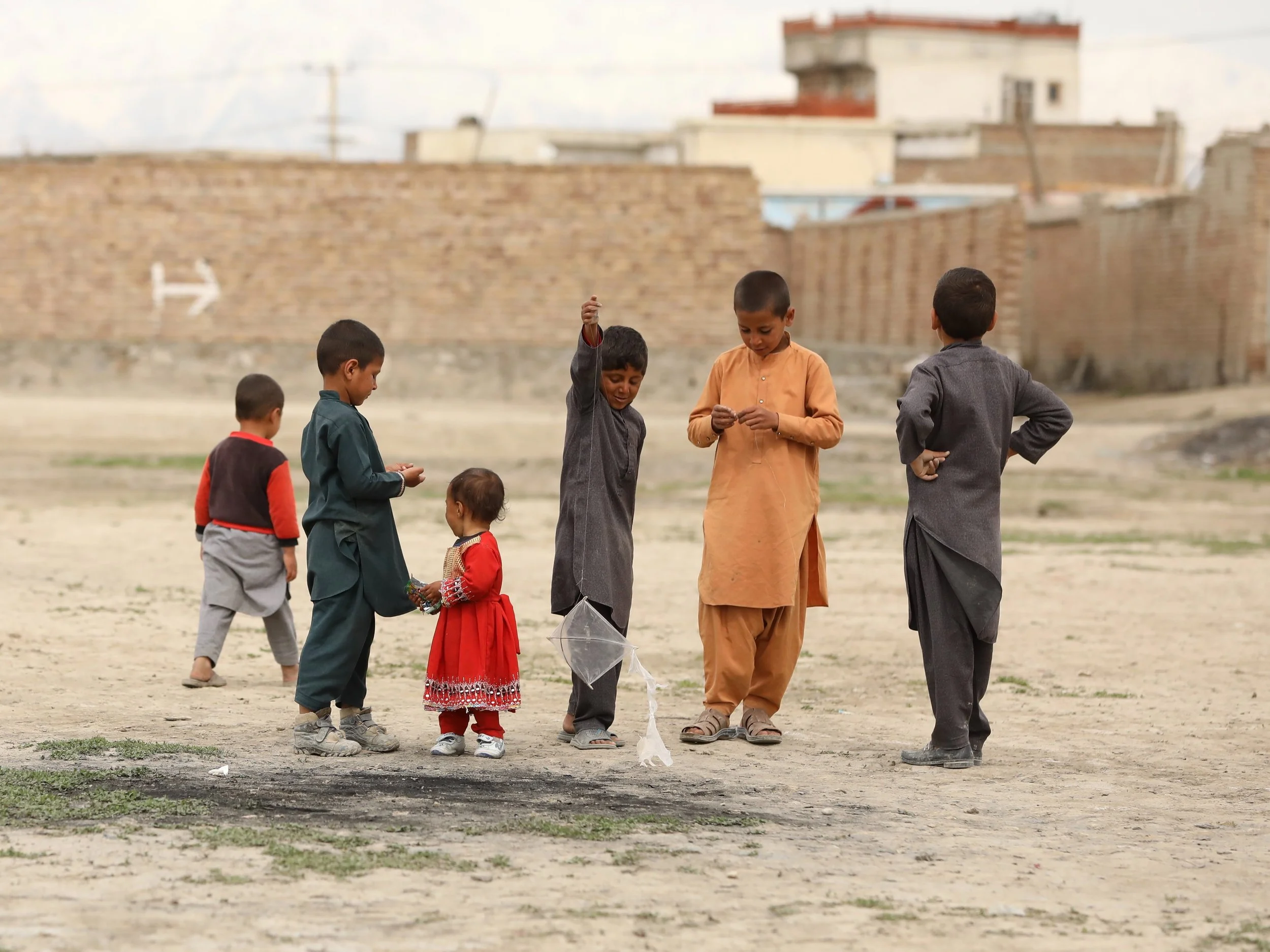
Environmental crises and displacement
Afghanistan is also affected by droughts, floods, and climate-related disasters. These environmental pressures destroy livelihoods, particularly in rural areas where families depend on farming.
Climate change doesn’t exist in isolation — it makes existing inequalities and conflicts even harder to survive.
Leaving doesn’t mean safety
It’s important to understand that leaving Afghanistan doesn’t mean life suddenly becomes easy. People seeking sanctuary often face many barriers such as the dangerous journeys, long periods of unrest and uncertainty, separation from family and familiar communities, mental health problems linked to trauma, and extreme violence and racism. Many arrive in the UK after years of displacement, carrying grief alongside hope.
Bringing humanity back to the conversation
At Upbeat, we work with people from Afghanistan who are parents, students, professionals, artists, and community members — not labels or statistics. By understanding the reasons people are forced to leave, we can move away from judgment and towards empathy, welcome, and practical support. Everyone deserves safety, dignity, and the chance to rebuild.
Written by Harry, Refugee Integration Worker at Upbeat.
References & Sources
1. Forced Displacement & Conflict
- : Afghanistan Situation: Forced Displacement and Protection Risks. United Nations High Commissioner for Refugees.
- : Intervention, War and Statebuilding in Afghanistan. Palgrave Macmillan.
- : The Taliban at War: 2001–2018. Oxford University Press.
2. Taliban Rule, Political Persecution, and Gender Apartheid
- : “A Disaster for the Foreseeable Future”: Afghanistan’s Healthcare Crisis.
- : Death in Slow Motion: Women and Girls Under Taliban Rule.
- : “Gender Apartheid and the Taliban.” Journal of International Women’s Studies, 23(5).
3. Economic Collapse and Structural Poverty
- : Afghanistan Economic Update: Fragility and Crisis.
- : Rethinking Rural Livelihoods in Afghanistan. AREU.
- : Afghanistan’s Economic and Social Impact Assessment.
4. Climate Change and Environmental Displacement
- : “Climate Change, Conflict, and Displacement in Fragile States.” Global Environmental Change, 72.
- : Afghanistan: Climate-Induced Displacement Overview.
- : “Drought, Climate Stress and Livelihoods in Afghanistan.” AREU Working Paper.
5. The Refugee Journey, Trauma, and Racism
- : “The Contemporary Refugee Crisis: An Overview of Mental Health Challenges.” World Psychiatry, 16(2).
- : “Common Mental Health Problems in Immigrants and Refugees.” Canadian Journal of Psychiatry, 56(4).
- : “Racism, Immigration, and Refugee Policy in Europe.” Ethnic and Racial Studies, 44(9).